
While social media is great for keeping up with family and friends, it can be easy to share too much personal stuff on platforms like Facebook and Twitter. A lot of people worry about what these social networks will do with your data, but in reality, you yourself provide more information than you think.
📢 Join the channel Telegram belong to AnonyViet
Update new articles, cool tools and IT tips fastest

In this article, I will tell you some things you should never share on social networking sites. Sharing these can harm your privacy and safety.
If you want to back up all your Facebook data to Google for storage, you can read this article.
1. Travel plan
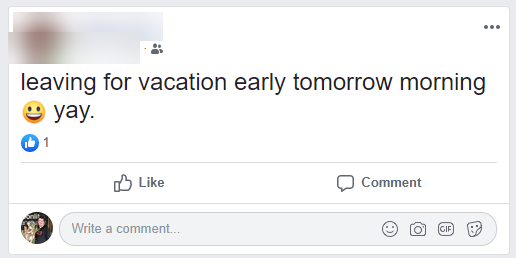
Think twice before bragging about your amazing upcoming vacation or posting photos while you’re on a weekend trip. But other users can see this information and break into your house to steal.
If someone knows where you live and has bad intentions, they will have plenty of time to break into your house while you are on vacation.
To be extra safe, don’t share any information or photos from your trip until after you return. Although doing so won’t be fun, in return for safety it’s completely worth it.
2. Location data
In addition to your smartphone tracking your GPS coordinates, your browser can also track your location based on your IP address or logged in account. This is called geolocation, and it’s commonly used on social media to tag posts with your current location.
Before you post on any social network, check to see if the site automatically adds your location data and turn it off before posting. There’s no reason to share your location with people who can see the post.
Did you know that most photos contain metadata that shows the exact location where the photo was taken? So, the photos you post on social networks can also violate your privacy.
You should also never share your home address or phone number online, even when you are transacting or buying or selling something.
3. Personally identifiable information
Sites like Facebook are filled with valuable data for social engineering users steal your identity on social networks. Therefore, you should avoid sharing information used to verify your identity, such as your full date of birth. Never share photos of your driver’s license, passport, or credit cards that contain personal information you don’t want made public.
It is also important that you avoid “funny questions” that often appear on social networks. They ask you to answer questions like where did you go to school, what was the name of your first pet, etc.
These types of questions are often used as security questions to protect your online accounts. Therefore, making these answers public could allow hackers to break into your account, so avoid them.
4. Don’t complain or badmouth anyone
Social media is not the place to air your personal grievances. If you want to complain about your boss, co-workers, or relatives, social media is a bad place to do it. There is a possibility that someone will see it and report it, leading to the situation getting worse.
A lot of people use their social media accounts as a place to complain, for a number of reasons. Instead of posting them on social networks, find a group of close friends to chat with, it will be much more fun.
5. Bad evidence
Don’t get too drunk and take pictures to post on Facebook while driving or taking selfies on the highway. That bad evidence will denounce you.
Maybe you don’t know, but those things will make your image worse and if you’re unlucky, you might be invited to the ward again.
6. Buy expensive things
Many people like to share pictures of their new toys on social networks. Whether you just got a new phone, laptop, car, TV, jewelry or anything else, you shouldn’t publicize your purchase on social media.
Social media increases our insecurity and feelings of failure. When you post highlights from your life, it can unintentionally make others jealous and resentful.
The second reason is more practical. Showing off a new item can cost you friends for washing the new item. Some other people with bad intentions will take advantage of that to steal your house. And don’t be foolish to brag about winning the lottery on Facebook. There is nothing as foolish as this foolishness.
7. Personal advice
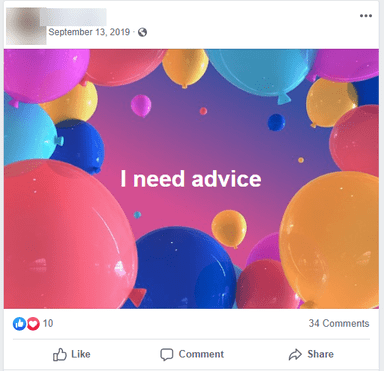
We all see people asking for home remedies or legal advice on social media. No matter how sure you are of yourself, it’s in everyone’s best interest (including yours) not to give medical or legal advice to people via social media. This is true even if you are a doctor or a lawyer.
The bottom line is that you cannot know all the information. If someone is sick or having difficulty, they should seek professional help. This also applies to advice on exercise, weight loss, diet, finances, relationships and other sensitive topics.
It’s best to keep quiet about all of this because if you give advice that ends up harming someone, they could sue you.
8. Giveaways and contest scams
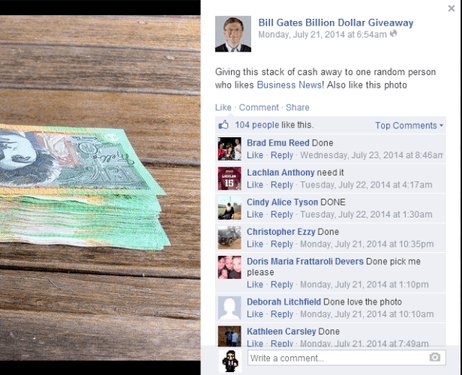
Social media is the primary means for companies to run giveaways and contests, mainly because it is so easy for people to “Share” and not have to think twice about it. While there are plenty of legitimate Facebook giveaways and the like, you should think twice before sharing them.
If you’re constantly sharing giveaways, contests, and game invites on Facebook, you’re probably annoying your friends. More importantly, some contests are actually disguised scams. You could accidentally spread malware or trick people into providing sensitive data.
To be safe, you should be wary of all posts that encourage sharing and ask for personal information.
9. Internal information
Accidentally posting personal information publicly is an easy mistake to make. However, you should be careful about revealing inside information on social networks. If you know special inside information, do not share that information anywhere, especially online.
Talking about someone being fired next week, your company’s strategy for the new year, and other inside information could get you into big trouble.
10. Anything you don’t want made public
Here’s a little note for anything not mentioned above. If there’s one rule you should follow on social media, it’s this: never post anything you don’t want the world to see.
On the internet, once something has been published, it is almost impossible to completely remove it. Even if you set the mode to “Friends,” there is no way to know who has actually seen your posts and photos, saved them, or shared them with others.
So if you post something today and regret it in two years, you can delete it from your account, but you can never completely remove it from the internet. A good rule of thumb is to never post or share anything on social media that you don’t want to.
Frequently asked questions
Should I share my travel plans on social media?
Shouldn’t. Sharing information about your travel plans can make you a target for thieves.
How to protect my location information on social networks?
Check and turn off automatic location data addition on social networks before posting. Also keep in mind that the photos you post may contain location metadata.
Should I answer “fun questions” on social media?
Shouldn’t. Many fun questions are used as security questions for online accounts, so answering them publicly can pose a security risk.