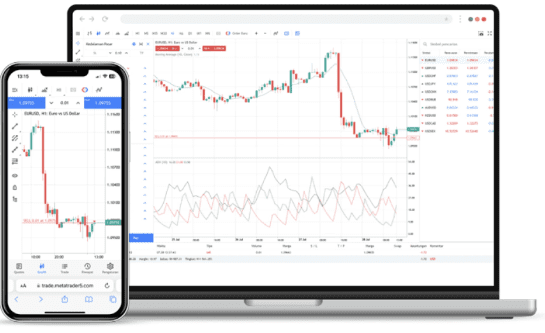

Bonds versus stocks is a question most new investors ask when starting to learn about the financial market, because these are the two most popular investment channels but have completely different natures, levels of risk and ways of profit.
📢 Join the channel Telegram belong to AnonyViet
Update new articles, cool tools and IT tips fastest
The article analyzes the core differences between stocks and bonds, helping new investors clearly understand before choosing the investment channel that suits their financial goals.
What’s the difference between stocks and bonds?
Stocks are securities that confirm ownership of part of the capital of the issuing enterprise, while bonds are securities that record a debt relationship, whereby the issuing organization (enterprise or Government) commits to periodically pay interest and repay the principal on the maturity date to the bond buyer.
When buying shares of a business, investors become co-owners and enjoy benefits corresponding to the business results of that business. When buying a 3-year bond with an interest rate of 8%/year, the investor acts as a creditor, receives periodic interest at the committed rate and is reimbursed the principal when the bond matures, regardless of whether the business makes a profit or a loss (except in the case the issuing unit becomes insolvent).
This difference in nature leads to a difference in accompanying rights: shareholders have the right to vote and participate in important decisions of the business, while ordinary bond holders do not have voting rights, only have the right to request timely payment of interest and principal according to the terms committed upon issuance.

In addition, the level of risk and profitability of stocks and bonds are also clearly different. Specifically:
| Criteria | Share | Bonds |
|---|---|---|
| Income | Dividends and price differences, not fixed | Fixed or floating interest rates according to term |
| Risk level | Higher, depends on business results | Relatively lower, depending on debt repayment ability |
| Order of priority when going bankrupt | Get the rest last | Priority in payment before shareholders |
Which channel should I invest in?
For investors who prioritize high long-term profitability and can accept short-term asset value fluctuations, stocks can be a suitable investment channel. On the contrary, for investors who prioritize stable income streams and lower levels of risk, bonds may be a channel worth considering, especially Government bonds or corporate bonds with high credit ratings.
Find out the details What are bonds? to be able to make investment decisions in accordance with risk appetite and financial capacity.
It should be noted that any investment channel has risks. Therefore, many investors often combine both channels in their portfolio according to a proportion appropriate to their age, financial goals and risk tolerance. For example, young investors with more time to accumulate often allocate a higher proportion of stocks to take advantage of long-term growth, while investors near retirement age can gradually increase the proportion of bonds to ensure stable profitability.

Get specific What are stocks? to identify risks when investing in this channel.
Stocks and bonds serve two different financial goals: one aimed at long-term capital growth, the other aimed at stable income. Understanding the nature, risks and returns of each channel is the first step before investors decide to allocate their portfolio according to personal goals, instead of choosing based on emotions or just based on crowd trends at a time.